Why loudness is not free volume
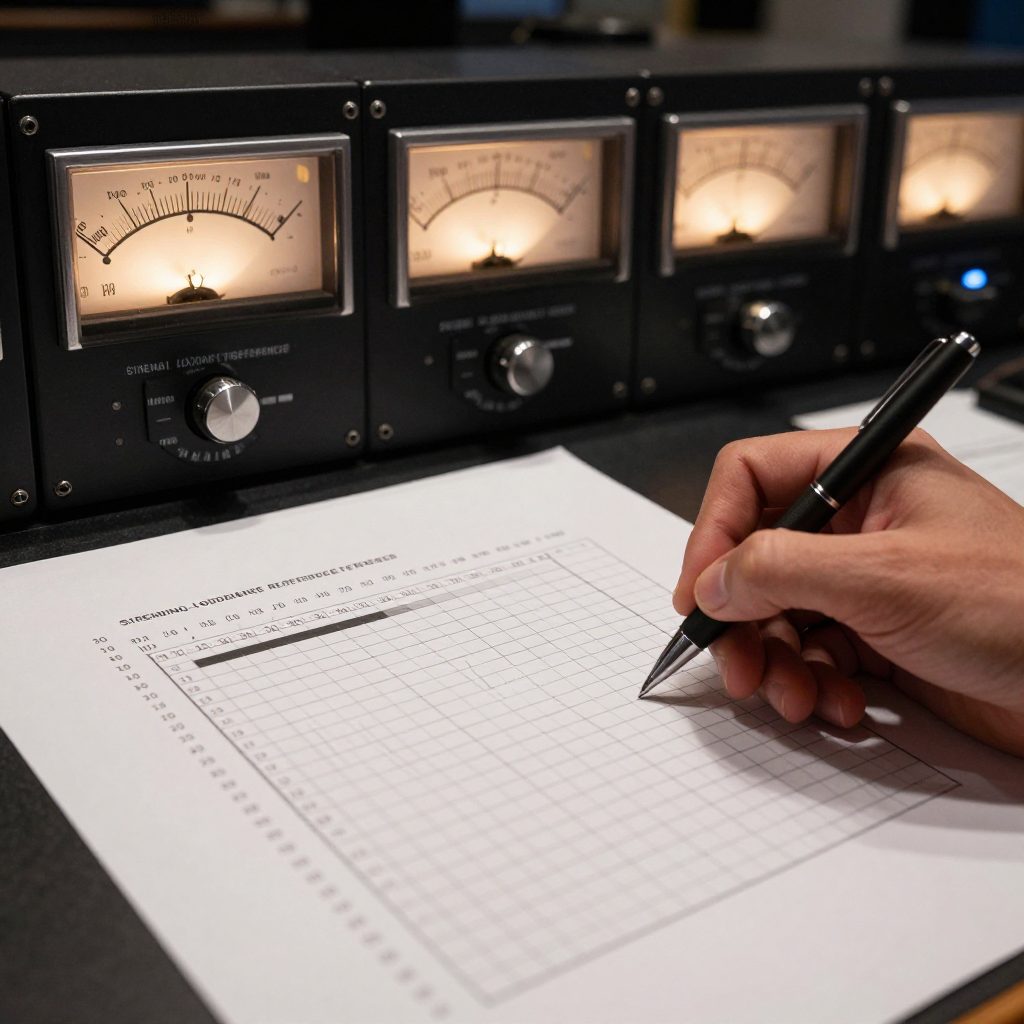
Streaming services target average loudness (often around −14 LUFS integrated for stereo music). Go hotter and the player turns you down — you lose punch without sounding louder. Too quiet? Some clients boost slightly, but extreme softness sits thin next to other releases.
Mastering at Morigliolink is €85 per stereo song (€295 for four tracks). Extras such as Atmos/MFiT: €45 per stem. Displayed rates include 21% VAT.
Integrated LUFS vs. true peak
LUFS describes average perceived level across the song; true peak (dBTP) catches inter-sample peaks that converters may clip. We tune both to your channel: Spotify, Apple Music, Bandcamp, YouTube or broadcast.
Send a mix without a maximizer; leave headroom. If you attach a « almost master », label it clearly — we prefer starting from the flat mix described in deliver stems for mix.
Platform targets in practice
| Channel | Guide (indicative) |
|---|---|
| Spotify / Deezer | About −14 LUFS, true peak below −1 dBTP |
| Apple Music | Sound Check normalisation; similar loudness goal |
| Vinyl master | More headroom, HF care, side length limits |
| Ads / TV | Stricter loudness rules; separate master often required |
Figures are guides, not placement guarantees. We listen on calibrated monitors in our 20 m² control room and check on multiple speakers.
What mastering will and will not do
Will: tonal balance, stereo width control, EP sequencing, vinyl-cut prep, exports to agreed formats (WAV 16/24-bit, optional ddpi). Will not: rescue a poor mix, extract vocals from a muddy recording or change arrangement — that belongs in mixing (€195 per song, 2 revisions).
Tracking a band first? Book via band and live recording and align mix/master timing early.
Workflow at Morigliolink
1) Deliver final stereo mix. 2) References (up to two similar-genre tracks, not hyper-loud). 3) We master and send a proof. 4) One revision within mastering scope — major mix changes restart on an hourly basis. Files are kept 12 months; see privacy policy.
Questions go through contact or [email protected]; mastering is coordinated with our studio team.
Vocal-heavy material
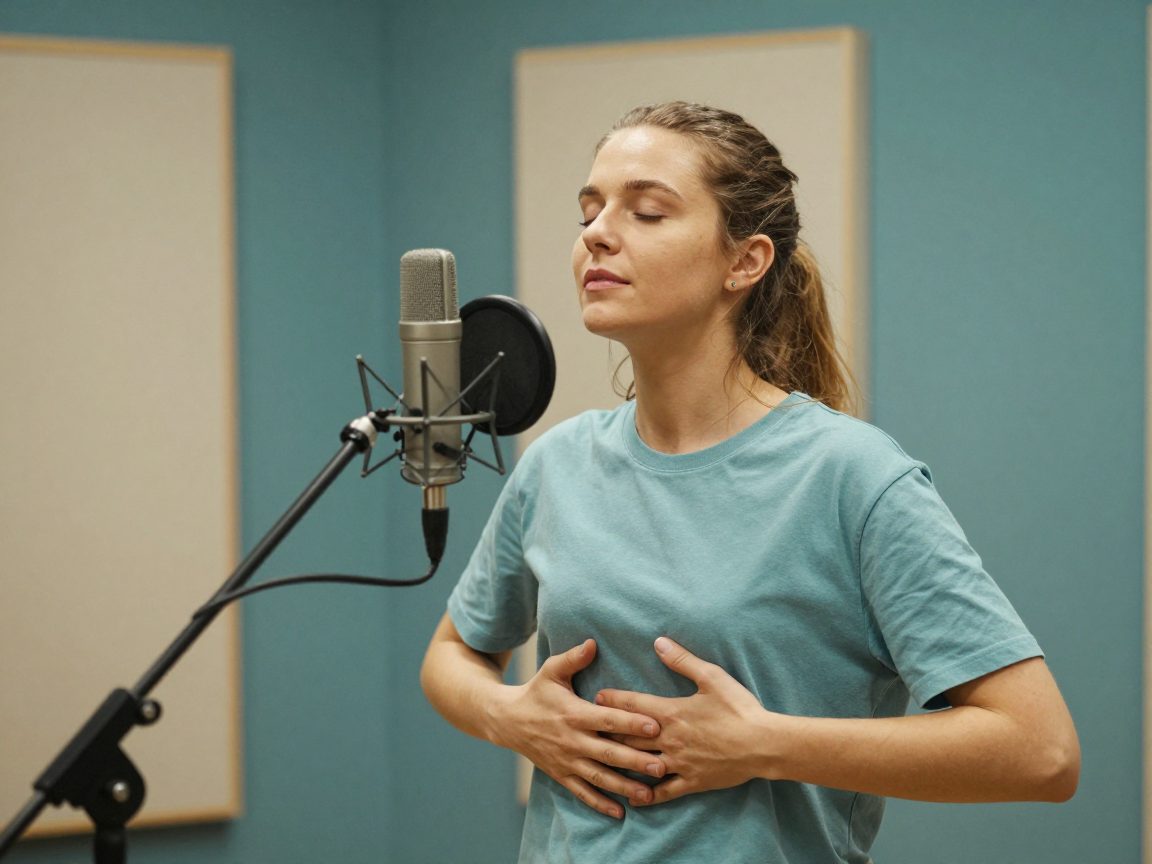
Vocals already near the limit in the mix leave little room in mastering. Track cleanly in our booth (7 m²) — see vocal warm-up. Prefer a dynamic mix over printing everything at −8 LUFS before mastering.
Podcast or speech-only? Different loudness norms apply; podcast recording starts at €98 hourly.
Self-check before upload
- Listen on headphones and speakers; hunt clicks and harsh sibilance.
- Measure integrated LUFS (Youlean, iZotope, etc.) — compare to reference, not a random hit.
- Keep true peak below −1 dBTP on the upload export.
- Do not assume −24 LUFS « matches » −14 — normalisation differs by service.
Unsure? Send short clips via contact; we reply within 1 business day.
Booking, payment, rights
Book mastering with or after your mix. 30% deposit; free cancellation up to 7 days under terms and conditions. Business invoices: 14 days where applicable.
Rights and use of masters: legal notice and disclaimer. Studio address: Overtoom 682, 1054 JT Amsterdam — The studio is on Overtoom in Oud-West. Tram 1 (Overtoom stop) and tram 7 (Marnixplein stop) are a short walk away. From Amsterdam Zuid station, allow about 15 minutes on tram 1 towards Centraal. Bike racks are in front of the entrance; car parking is limited — use Q-Park Byzantium (Overtoom) or on-street spaces outside blue-zone hours.. Guide last reviewed: 14 October 2026.